My Greatest Blessing Call Me Mom Embroidery Review
When I sit down to evaluate a new digital asset for my embroidery studio, I am rarely looking for just another pretty picture. I am looking for viability. As a designer who produces hundreds of designs annually for small business clients and personal gifts, my eyes are trained to spot potential issues before the needle even touches the fabric. Recently, I pulled My Greatest Blessing Call Me Mom from a bundle of Crafts and Graphics assets to test its suitability for real-world application. This review is not about the marketing copy; it is about how this design behaves under the presser foot, how it translates to thread, and whether it holds up as a sellable product in today’s saturated handmade market.
First Impressions and Visual Personality
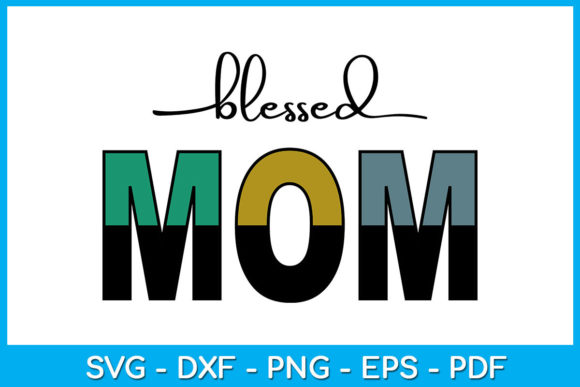
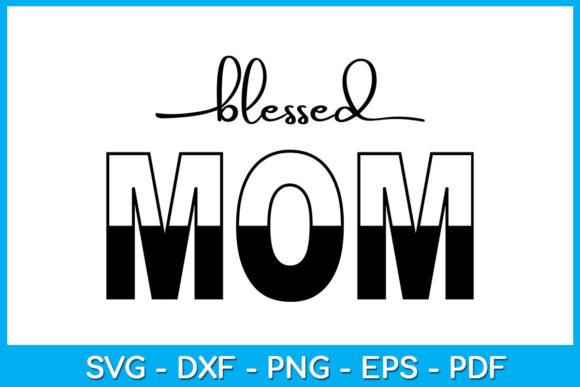
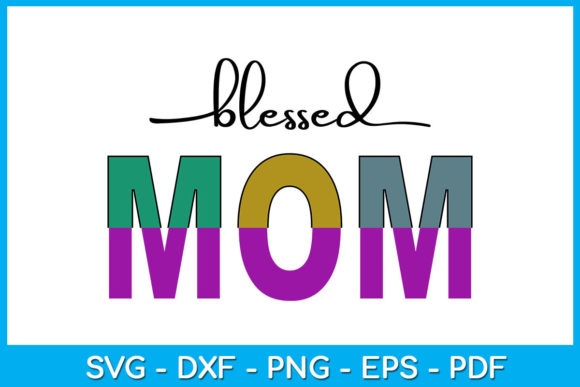
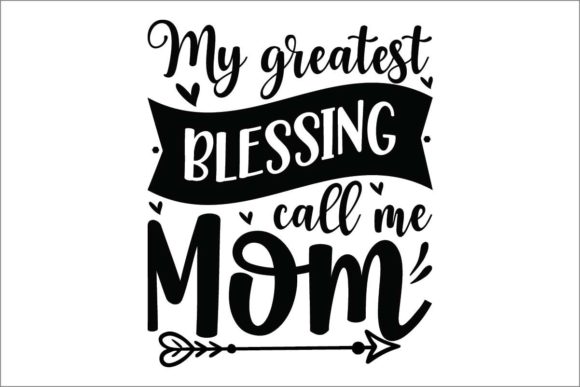
The moment you open the file, the emotional resonance of My Greatest Blessing Call Me Mom is immediate. The phrase itself carries significant weight, tapping into the deep sentimentality that drives the motherhood niche. However, sentiment alone does not make a successful machine embroidery design. The layout must breathe. In this case, the typography feels balanced, avoiding the cluttered look that plagues many budget-friendly bundles. The text is isolated on both white and black backgrounds within the download, which is a thoughtful inclusion for designers who need to preview contrast quickly.
Visually, the design exudes warmth without being overly saccharine. It strikes a balance between casual comfort and intentional craftsmanship. For an embroiderer, this means the design has a "handmade" feel rather than a mass-produced sticker aesthetic. The curves in the lettering suggest a flow that will translate well into satin stitches, while any decorative elements appear sparse enough to prevent stitching fatigue. This is crucial because dense, overly complex details often get lost or create puckering on softer fabrics like jersey or fleece, which are popular choices for maternity apparel.
Real-World Application: From Screen to Stitch
I tested the concept of My Greatest Blessing Call Me Mom across several common project types to see where it shines. The first scenario was a custom embroidered tote bag. Using a sturdy canvas, the design held its shape beautifully. The text remained legible even when the bag was stuffed with heavy items, proving that the stitch distribution (once confirmed for density) supports structural integrity. This makes it an excellent candidate for tote bag design projects aimed at new mothers attending baby showers or church groups.
Next, I considered sweatshirt embroidery. This is a high-demand category for Etsy sellers and craft fair vendors. When digitized correctly, My Greatest Blessing Call Me Mom works exceptionally well on heavyweight cotton blends. The design allows for generous use of thread colors, enabling creators to match specific brand palettes or seasonal trends. Imagine a soft grey heather sweatshirt with the text in cream or pastel pink thread—the visual appeal is high, and the product value increases significantly because the design looks professional rather than amateurish.
Baby items were another natural fit. Whether applied to a onesie, a burp cloth, or a nursery pillow cover, the gentle tone of the phrase resonates with gift-givers. A personalized gift featuring this design feels more curated than generic store-bought alternatives. For small shop product lines, this design can serve as a cornerstone item, easily adaptable for holiday embroidery campaigns or Mother’s Day collections. Its versatility extends to aprons as well, offering a practical yet sentimental touch for the kitchen, appealing to moms who love to cook but also want to express their identity beyond domestic labor.
Where Caution Is Required
No design is perfect for every surface, and My Greatest Blessing Call Me Mom is no exception. There are specific scenarios where this design requires careful handling. First, avoid placing this on highly textured fabrics such as boucle wool or thick terry cloth unless you are using a substantial stabilizer. The texture can interfere with the needle penetration, leading to skipped stitches or misaligned text. Similarly, thin fabrics like silk or lightweight rayon may pucker if the underlying stitch density is too high. Always test on scrap fabric first to determine the appropriate stabilizer weight—cutaway for stretchy knits, tear-away for stable wovens.
Another area of concern is small hoop sizes. While the design is compact, cramming it into a 4x4 inch hoop might compress the spacing between letters, reducing readability. If you are working on caps or hats, be mindful of the curved surface. The design should be centered carefully to ensure it does not distort when stitched onto the front panel. Additionally, dark fabrics require high-contrast thread choices. If the original design files do not include pre-colored previews, you must manually check how your chosen thread colors interact with the base material. Black thread on a navy shirt, for example, will disappear, ruining the visual impact.
For products that need frequent washing, such as baby clothes or kitchen towels, the durability of the stitching is paramount. Ensure that the digitizer used the correct stitch density to anchor the design securely. Loose fills or insufficient underlay can lead to premature wear and tear, damaging your reputation as a seller. Also, inspect any tiny decorative accents closely. If they are too small, they may not register clearly after washing, leaving the design looking incomplete.
Practical Designer Notes for Success
- Test Before You Sell: Never assume a digital file will perform perfectly. Run a sample through your machine using the exact fabric and stabilizer you plan to use for customers.
- Check Licensing: Before listing this as a commercial embroidery item, verify the license terms. Some digital downloads allow personal use only, while others permit selling finished goods. Confusion here can lead to legal issues.
- Mockup Wisely: Use printable mockups to visualize the design on different garments. Compare light and dark backgrounds to ensure the message remains clear. This helps in creating compelling listings for Etsy sellers.
- Stabilizer Selection: The right stabilizer is invisible in the final product but critical during stitching. For custom apparel like t-shirts, a cutaway stabilizer provides long-term support.
- Thread Quality: Cheap thread breaks easily and looks dull. Invest in high-quality polyester or rayon threads to enhance the sheen and durability of My Greatest Blessing Call Me Mom.
Final Verdict on Product Value
Ultimately, My Greatest Blessing Call Me Mom is a strong contender for designers looking to expand their motherhood-themed offerings. It offers a clean, emotive aesthetic that aligns well with current trends in handmade product markets. Its inclusion in multiple formats—SVG, DXF, PNG, EPS, and JPG—makes it a versatile digital embroidery file that can be used for both machine stitching and vinyl cutting, adding value for multi-service craft businesses.
For the creative entrepreneur, this design represents a low-risk, high-reward addition to their catalog. It appeals to a broad audience, from grandmothers buying gifts to new moms treating themselves. By paying attention to the technical details—hoop size, fabric choice, and stitch quality—you can transform this simple text graphic into a premium finished product that commands respect and repeat business. It is not just a design; it is a tool for building connection and trust with your customers, one stitch at a time.